Getting a company's good works believed
Spectrum puts real money into the communities it serves and, like every company, struggled to say so without sounding like every company. A set of rules, one lead voice per story, four pillars and a brand that stays in the background produced three tested stories, each above the telecom norm on impression, consideration and action, with half of viewers saying the story would appeal to anyone.
- Company
- Spectrum
- Years
- 2025–2026
- Scope
- Community, national
- With
- The in-house studio and local production partners
Context
The company’s community investment is real and mostly invisible: rural broadband builds, digital education grants, small-business funds, disaster relief. In 2024 a brand spot built around a single town showed there was an appetite for this kind of story. That spot wasn't mine. What came after it was: turning one good film into a platform that could keep producing them.
The problem underneath
The brief said "tell people what we do for communities." The problem is that corporate-responsibility advertising is the genre viewers trust least, because the company is the hero of it, and the stories themselves are structurally undramatic: a check, a ribbon, a handshake. A story about a grant has to make the viewer feel what the community gained, not what the company gave, or it reads as the company congratulating itself and gets skipped. And the stories are local by nature, so the second question was whether a film about one town in Hawaii or one clinic could earn a national run.
The system
The least visible system I built, and the loosest, but a system. Every story follows the same rules. One lead voice: a community member carries it, others can support, and fewer is clearer. Everything is real. Nobody is cast and nothing is scripted. The impact is concrete and the resolution is shown, not claimed. The brand’s role appears lightly on screen. Where the role was funding, which it often was, the film shows the community’s experience and lets the testimonial say what Spectrum did. Three tests before a story is made: does it show impact, does it demonstrate resolution, does it resonate beyond the people in it.
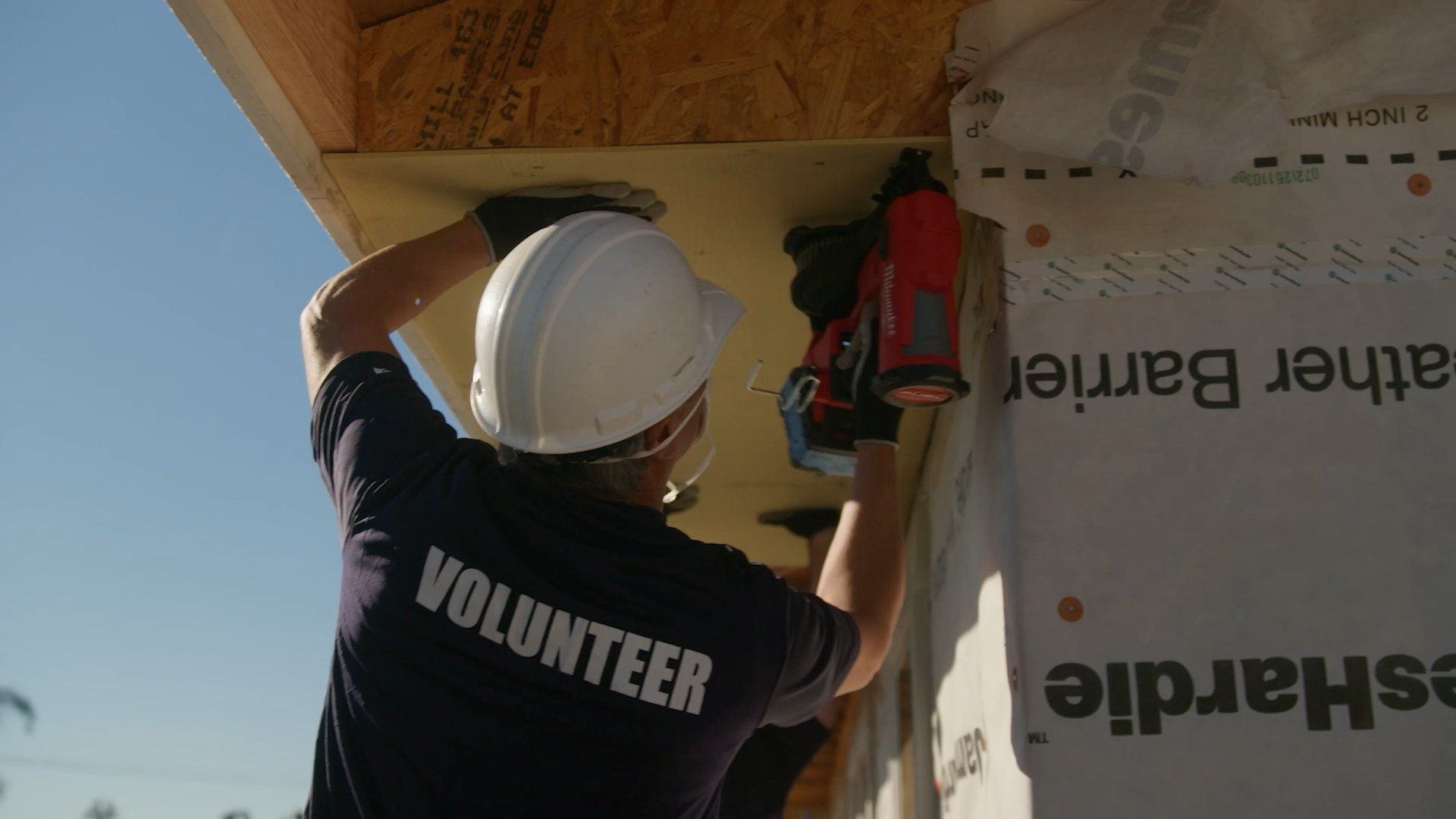
Above the rules, a frame. Everything ladders to one idea, Access, and every story files under one of four pillars: Connectivity, Education, Economic, Recovery. Each pillar has a content hub on Spectrum.com and a place on the calendar, so a story is never a one-off. It’s the next entry in a shelf that already exists. The frame earns its keep when one event produces more than one story: the Los Angeles wildfires became a home rebuild under Recovery and a small-business rebuild under Economic, each told by a different voice. Each story is cut to a :60, a :30 and organic social, and the regional ones are tested on a national sample to decide whether they earn a national run. That test is the platform's whole bet: a story told well enough about one place should work for people who've never been there.
The work
Outcome
3 for 3
stories above the telecom norm on impression, consideration and action
+22 pts
emotional appeal vs. norm (Alu Like)
1 in 2
viewers say the story would appeal to anyone
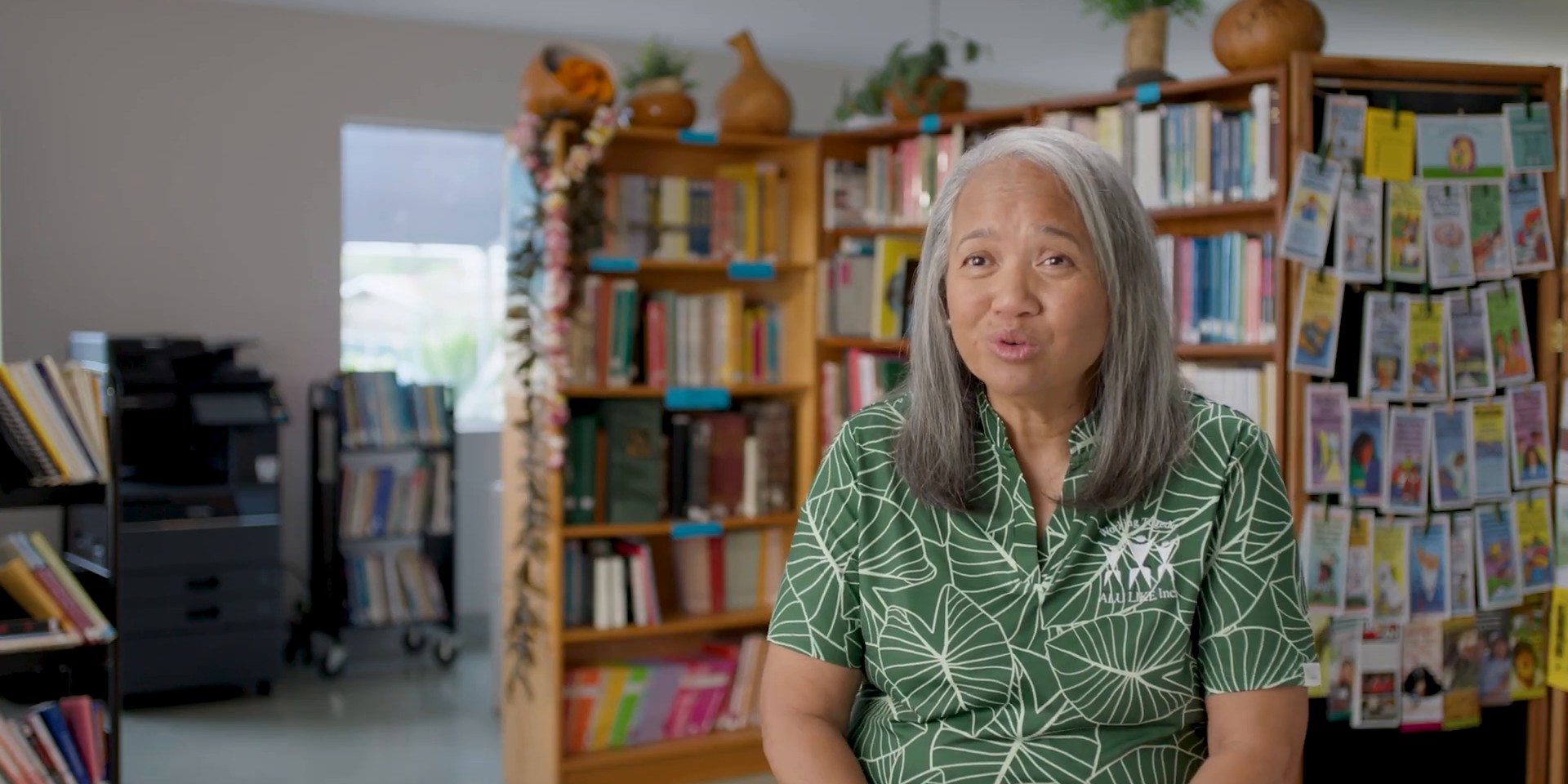
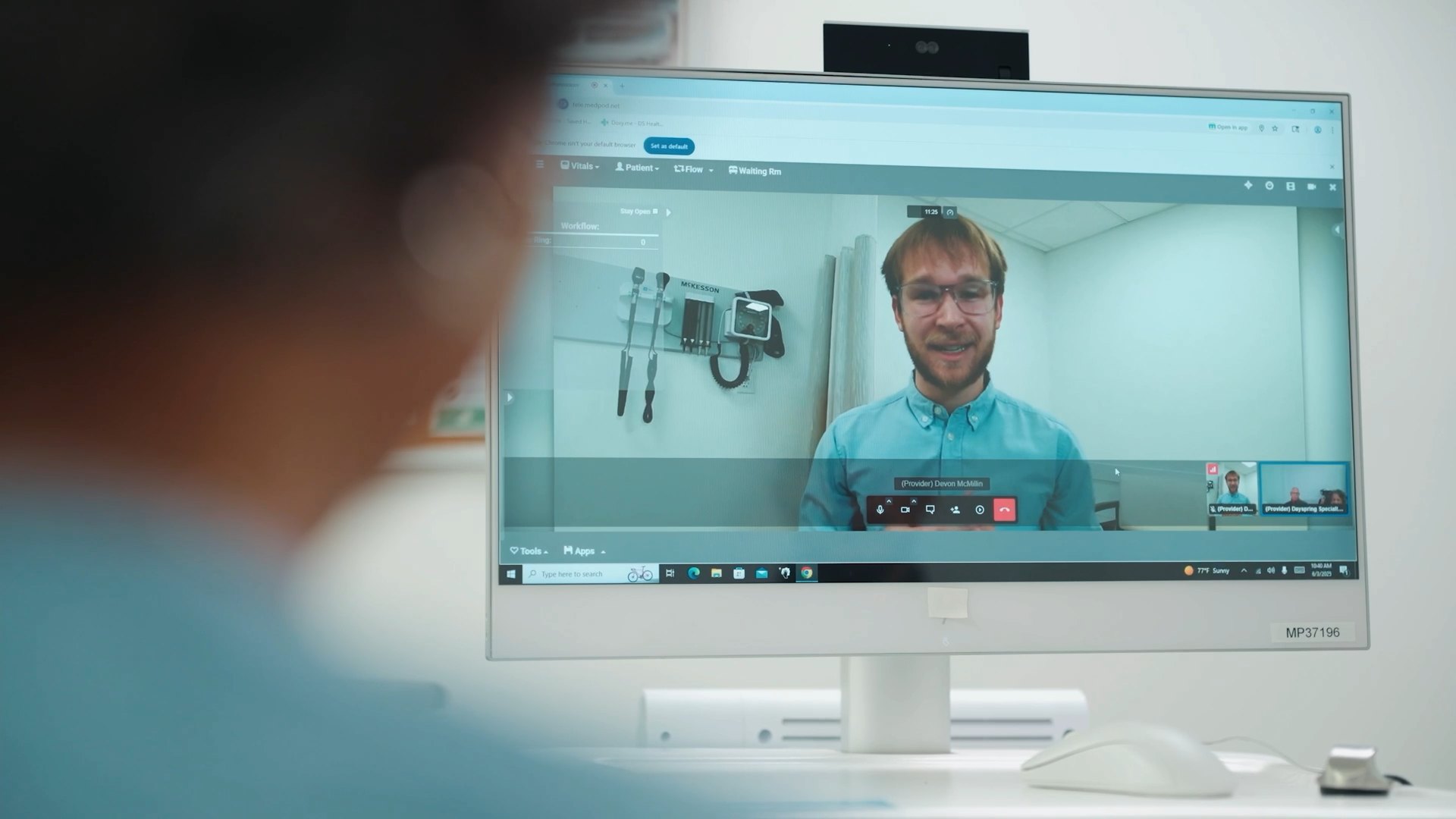
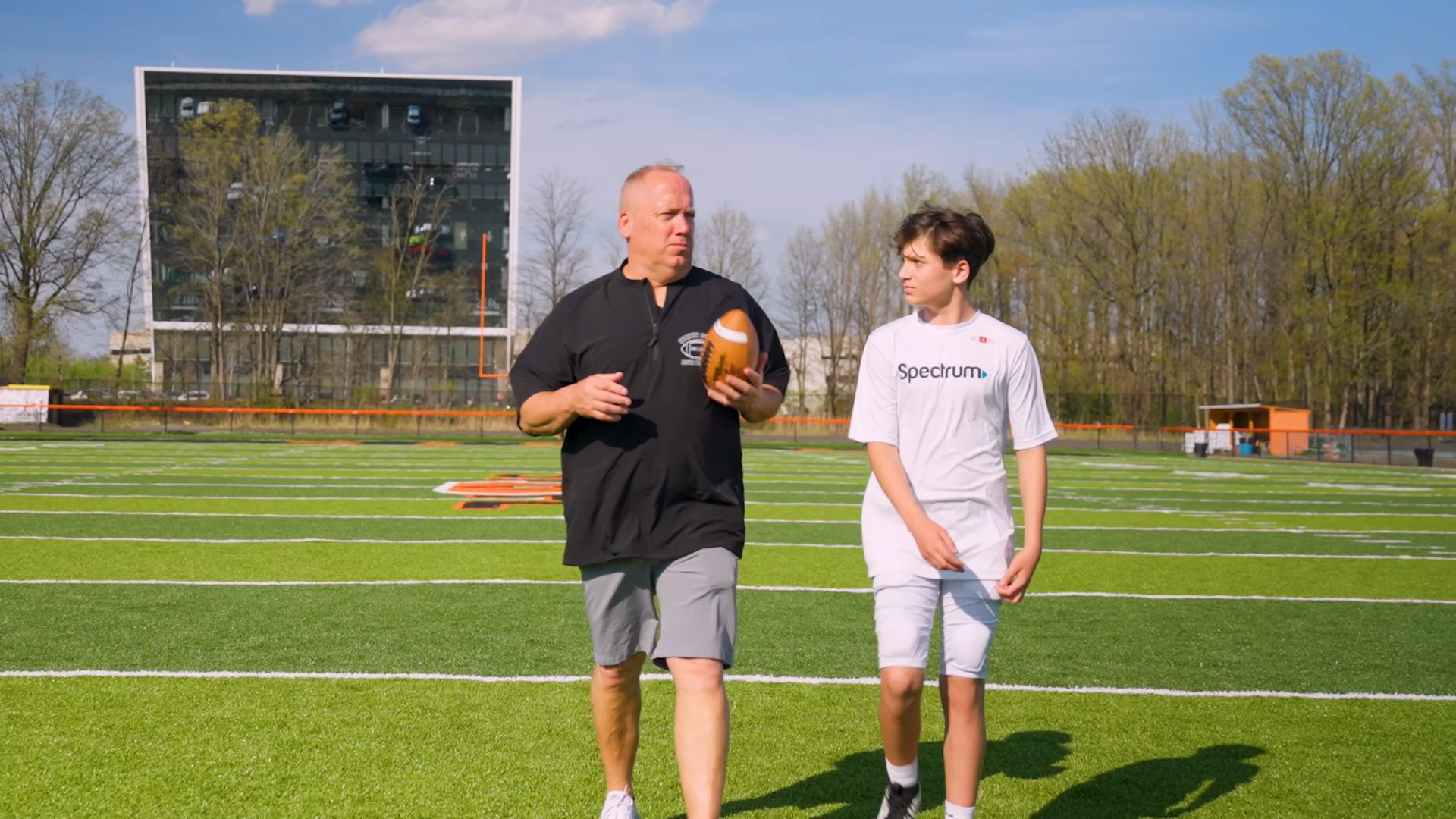
Alu Like was tested first, in October 2025, to see whether a regional story could go national: appeal 51, consideration 48 and believability 52 against norms in the mid-30s, emotional appeal 22 points over the norm, and 62% of viewers naming Spectrum unaided. Dayspring and the LA wildfire rebuild were then tested the same way and came in above the norm on nearly every measure, and 79% of customers who saw Dayspring agreed Spectrum was helping make healthcare more accessible. Across all three, about half of customers and prospects said the story would appeal to anyone, not only the community in it, and negative impression ran between 0 and 6%. The research's own summary was the system's rule read back: tell a simple story to build trust and goodwill. The platform kept producing after those three: a tornado-hit computer lab in St. Louis and a youth football league on Staten Island shipped, with more on the calendar when I left.
What I'd change
More of them. These stories worked outside and inside: the people who made them came back a little taller, because showing up for others is a purpose everyone can get behind, and it showed in the work. It was also the one thing I could never make a priority against the campaigns with a launch date. I'd change that. I'd have put the stories on the calendar before the year started and protected those dates the way we protected a launch.
Produced with the in-house studio and local production partners in each market. Tested by the research team.